
What Sets Industrial Electricians Apart

Industrial facilities run on electrical systems far more demanding than anything found in a typical home or office. Heavy motors, high voltage equipment, and nonstop production schedules leave little room for error. A single fault can stop an entire line. That is why specialized skills matter so much. Understanding what makes this trade unique helps facility managers plan smarter maintenance and hire with confidence. Here is a closer look at the skills and services that keep plants running safely.
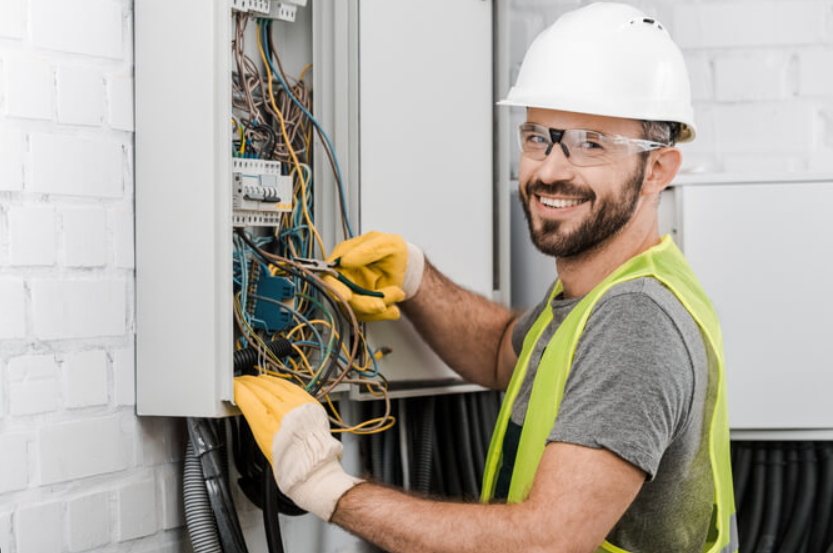
Skills That Keep Plants Running

Wondering why a general electrician cannot always handle a factory floor? Skilled industrial electricians bring training built for high demand equipment and continuous operation. Here is what that expertise includes.

High Voltage and Heavy Equipment Knowledge

Industrial work involves three phase power, large motors, and transformers that handle serious loads. Mistakes in this environment carry real danger. Trained electricians understand how to install, test, and service this equipment safely. They read complex schematics and follow strict lockout procedures before touching any circuit. This knowledge protects workers and prevents costly equipment damage. Facilities gain peace of mind knowing every connection meets exact standards. Careful planning also keeps installations organized, labeled, and easy to service later.

Troubleshooting Under Pressure

When a production line stops, every minute costs money. Industrial electricians diagnose faults quickly using meters, thermal cameras, and system logs. They trace problems through panels, motor controls, and wiring without guesswork. Fast, accurate repairs get machines moving again with less lost output. Experienced technicians also look for the root cause instead of applying a temporary fix. That approach reduces repeat failures and keeps future downtime lower. Clear communication during repairs keeps managers informed at every step.

Preventive Maintenance Programs

Scheduled inspections catch trouble before it becomes an emergency. Technicians check connections for heat, test breakers, and inspect motor controls for wear. Thermal imaging reveals loose or overloaded components that look normal to the eye. Documented results help managers track equipment health over time. Facilities with regular programs usually see fewer surprise shutdowns. They also extend the life of expensive machinery. A simple maintenance calendar turns unpredictable failures into planned, manageable repairs. Small fixes today prevent major expenses tomorrow.

Code Compliance and Safety Standards

Industrial sites must follow strict electrical codes and workplace safety rules. Inspections check grounding, labeling, arc flash protection, and equipment ratings. Skilled electricians keep installations compliant and documentation current. This protects employees and reduces liability for the business. Failed inspections can trigger fines or shutdowns, so getting the details right matters. Working with professionals who know current standards prevents costly rework. Proper training also keeps crews safer during every job on site.

Conclusion: Skills That Keep Plants Running

Industrial electricians combine technical knowledge, fast troubleshooting, and careful safety practices. Their work covers high voltage equipment, preventive maintenance, and code compliance. Each skill helps facilities avoid downtime and protect workers. Choose a team with proven industrial experience and clear communication. Ask about past projects, safety records, and response times before signing anything. The right partner keeps power reliable, production steady, and your facility ready for growth. Invest in expertise now and enjoy dependable operations for years to come.
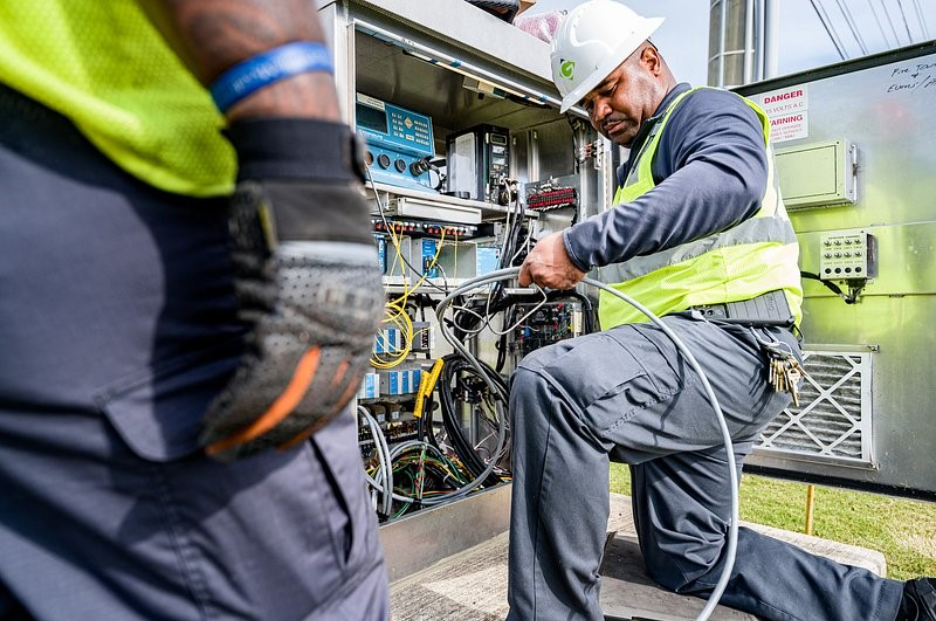
The Role of Electricians in New Home Construction Projects 

Building a new home is an exciting process filled with big decisions, from layout and materials to finishes and fixtures. But one of the most essential professionals working behind the scenes is the electrician. Without their expertise, the home wouldn’t function safely or efficiently.  

How Electricians Help in New Home Projects 

An electrician Charleston SC plays a critical role in new construction projects, ensuring the electrical system is properly designed, installed, and ready to power modern living. 

Planning and Designing the Electrical Layout 

Before any wires are run, electricians collaborate with architects, builders, and homeowners to create a detailed electrical plan. This layout includes: 

  • Placement of outlets, light switches, and fixtures 
  • Routing for major appliances and HVAC systems 
  • Planning for cable, internet, and smart home wiring 

During this phase, electricians also make sure the design complies with local codes and building regulations. A well-planned system minimizes future rewiring needs and supports the homeowner’s lifestyle from the start. 

Installing Wiring and Electrical Infrastructure 

Once the frame of the house is up, electricians begin the rough-in stage. This involves running wires throughout the walls, ceilings, and floors, installing junction boxes, and connecting circuits to the service panel. 

This phase requires precision and safety, as improper wiring can lead to shorts, outages, or even fire hazards later. Electricians ensure wires are the correct gauge, circuits are balanced, and that all installations follow code requirements. 

Setting Up the Electrical Panel 

At the heart of a home’s electrical system is the main service panel—also known as the breaker box. Electricians install this panel and connect it to the utility service. They then divide the home’s circuits into logical sections, such as lighting, kitchen appliances, HVAC, and so on. 

The panel must be sized appropriately to handle the home’s energy demand. In many modern homes, electricians also plan for future upgrades, like EV chargers or solar panel systems. 

Installing Fixtures, Switches, and Devices 

Once drywall and other finishes are in place, electricians return to install switches, outlets, light fixtures, ceiling fans, and hardwired smoke detectors. This is often called the “trim-out” stage. 

Electricians also test every component to ensure everything works correctly. They’ll troubleshoot any problems and ensure connections are secure and up to standard. 

Preparing for Inspections and Final Approval 

Before a new home can receive a certificate of occupancy, it must pass an electrical inspection. Electricians are responsible for preparing the system for this review, which includes: 

  • Verifying that circuits are properly labeled 
  • Making sure all safety codes are met 
  • Demonstrating GFCI and AFCI protection where required 

Passing the inspection confirms that the electrical system is safe and functional, protecting both the homeowner and future occupants. 

Ensuring Long-Term Safety and Expandability 

A good electrician doesn’t just think about today—they also plan for tomorrow. In a new home, they may install additional conduit, extra circuits, or even smart home wiring to accommodate future needs. Their goal is to create a system that’s both safe and adaptable for years to come. 

Conclusion: How Electricians Help in New Home Projects 

While electricians may not always be in the spotlight, their role in new home construction is absolutely vital. From planning and wiring to final inspections, they make sure the electrical system is reliable, code-compliant, and tailored to the homeowner’s lifestyle. When you’re building a new home, partnering with a skilled, licensed electrician ensures everything behind the walls is just as solid as what’s in plain view.