
Act Fast After Water Damage Strikes

Water damage rarely gives warning. A burst pipe, a failed appliance, or a heavy storm can flood a home in minutes. Every hour matters after that. Moisture soaks into drywall, flooring, and framing quickly. Mold can start growing within two days. Quick action limits damage. Many homeowners freeze because they do not know what to do first. A clear plan changes everything. Here is how to protect your home and your budget after a sudden leak.
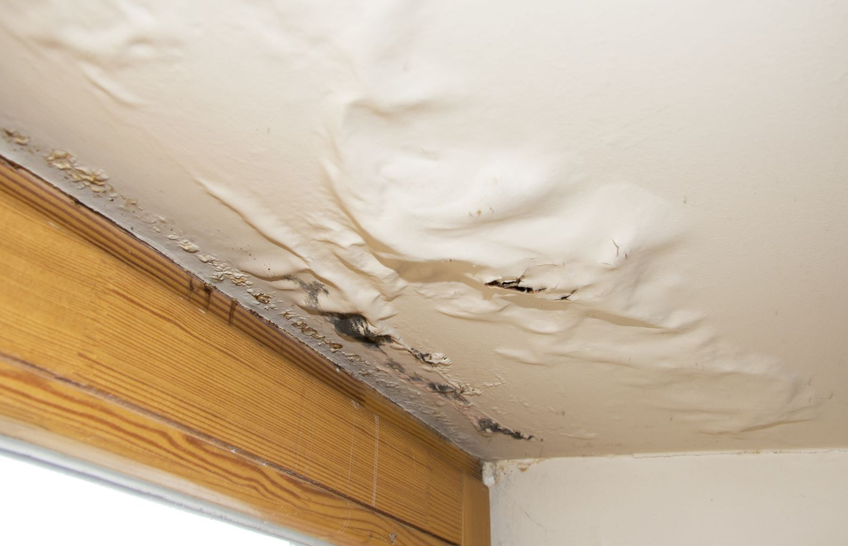
Responding Quickly to Water Damage

Standing in a flooded room and unsure who to call? Fast, professional water damage restoration Marietta GA residents can count on stops the damage from spreading. Keep reading to learn exactly what to do first.

Stop the Source First

Safety comes first. Turn off the main water valve if a pipe has burst. Switch off electricity to wet areas when it is safe to do so. Never walk through standing water near outlets. Once the source stops, remove valuables and furniture from the area. Take photos of everything for insurance. These early steps take minutes. They also prevent small problems from becoming expensive repairs that spread through the entire house.

Remove Moisture Quickly

Water spreads farther than it appears. It wicks up walls and seeps beneath flooring. Professionals use industrial pumps and powerful extractors to remove standing water fast. Then they run high-capacity dryers and dehumidifiers for several days. Moisture meters confirm when materials are truly dry. Fans from a hardware store rarely reach that level. Thorough drying prevents hidden dampness, which causes warping, odors, and mold long after the visible mess disappears.

Prevent Mold Growth

Mold thrives in damp, warm spaces. Spores can appear within forty-eight hours. They spread through drywall, insulation, and carpet padding. Some materials cannot be saved once mold takes hold. Restoration crews inspect hidden areas and treat affected surfaces quickly. They also remove soaked materials that trap moisture. Acting early protects your family’s health. It also keeps repair costs lower, since mold remediation grows more complicated with every passing day.

Work With Your Insurance

Insurance claims move faster with good documentation. Keep photos, receipts, and moisture readings together. Report the loss promptly, since delays can complicate coverage. A qualified restoration team provides detailed estimates and written records adjusters need. They can explain which repairs relate to the loss. This support reduces stress during an already difficult time. Clear paperwork also helps you avoid disputes and gets repairs approved sooner, so your home returns to normal faster.

Choose the Right Team

Not every contractor handles water loss well. Look for certified technicians with proper equipment and emergency availability. Ask about response times, since speed limits damage. Request references and a clear written scope of work. A reliable team explains each step in plain language. They also rebuild affected areas, so you deal with one company. Choosing carefully now saves money, time, and worry later. Experience shows in how calmly a crew handles chaos.

Conclusion: Responding Quickly to Water Damage

Water damage demands fast, informed action. Shut off the source, remove moisture, and prevent mold before it spreads. Document everything for your insurance claim. Choose a skilled team that responds quickly and communicates clearly. These steps protect your property and your peace of mind. Every hour counts, so do not wait. With the right plan, a stressful emergency becomes a manageable repair. Your home can recover fully, and life can return to normal sooner.


What Happens at an Emergency Dental Visit

Sudden dental pain is scary enough without wondering what comes next. Many people delay care because they fear the unknown. That delay often makes the problem worse. Knowing what to expect removes much of the anxiety. Emergency visits follow a clear pattern designed to relieve pain quickly and protect your teeth. Here is a walkthrough of a typical urgent appointment, from the first phone call to the follow up plan. Preparation helps you stay calm.

Walking Through Your Urgent Visit

Nervous about your first urgent appointment? Choosing an emergency dentist Raleigh NC patients rely on means someone guides you through every step with care. Here is what happens once you walk in.

The First Phone Call

Your visit begins the moment you call. The team asks about your symptoms, pain level, and any swelling. They may give simple advice to manage discomfort until you arrive. This quick conversation helps them prepare the right tools and set aside time. Be ready to share when the problem started. Mention any medications you take. Clear details help the staff prioritize your case and get you seen faster. This keeps everyone focused on your comfort.

Exam and Imaging

Next comes a careful exam. The dentist checks your teeth, gums, and jaw for damage or infection. X-rays reveal problems hidden beneath the surface, like cracks below the gumline or abscesses near the root. The process is quick and gentle. You will hear a clear explanation of what the images show. Understanding the cause of your pain helps you feel more confident about the treatment options that follow. Nothing happens without your understanding.

Fast Pain Relief

Relief usually comes first. The dentist numbs the area so you can relax while they work. Infections may need drainage or medication to calm swelling. Cracked or broken teeth often get temporary protection right away. The goal is to stop pain and prevent further harm before anything else. Most patients feel noticeably better before leaving the chair. If you feel nervous, tell the team so they can adjust their approach. Comfort always matters.

Treatment Options Explained

Once you are comfortable, the dentist explains your choices. Some problems need a filling, crown, or root canal. Others call for an extraction. You will hear the benefits, timing, and expected cost of each path. Ask questions freely. A good team never rushes your decision. Some issues get fixed in one visit, while others need a second appointment. Either way, you leave with a plan that makes sense for your situation. Clarity reduces stress.

Aftercare and Follow Up

Before you go, the team reviews aftercare instructions. Expect guidance on eating, brushing, and managing soreness at home. You may receive prescriptions or a list of warning signs to watch for. Follow up visits confirm that healing stays on track. Save the office number in your phone. Call quickly if pain returns or swelling grows. Good aftercare protects the work done and helps your mouth recover comfortably. Small habits make recovery smoother. Rest well too.

Conclusion: Walking Through Your Urgent Visit

An urgent dental visit feels far less scary when you know the steps. The process starts with a helpful phone call and moves through an exam, imaging, and fast pain relief. Your dentist then explains treatment options clearly. Aftercare guidance keeps healing on track. Do not wait when something feels wrong. Prompt care protects your smile, reduces pain, and often saves money. Call as soon as symptoms appear and take the first step toward relief.

What Sets Industrial Electricians Apart

Industrial facilities run on electrical systems far more demanding than anything found in a typical home or office. Heavy motors, high voltage equipment, and nonstop production schedules leave little room for error. A single fault can stop an entire line. That is why specialized skills matter so much. Understanding what makes this trade unique helps facility managers plan smarter maintenance and hire with confidence. Here is a closer look at the skills and services that keep plants running safely.

Skills That Keep Plants Running

Wondering why a general electrician cannot always handle a factory floor? Skilled industrial electricians bring training built for high demand equipment and continuous operation. Here is what that expertise includes.

High Voltage and Heavy Equipment Knowledge

Industrial work involves three phase power, large motors, and transformers that handle serious loads. Mistakes in this environment carry real danger. Trained electricians understand how to install, test, and service this equipment safely. They read complex schematics and follow strict lockout procedures before touching any circuit. This knowledge protects workers and prevents costly equipment damage. Facilities gain peace of mind knowing every connection meets exact standards. Careful planning also keeps installations organized, labeled, and easy to service later.

Troubleshooting Under Pressure

When a production line stops, every minute costs money. Industrial electricians diagnose faults quickly using meters, thermal cameras, and system logs. They trace problems through panels, motor controls, and wiring without guesswork. Fast, accurate repairs get machines moving again with less lost output. Experienced technicians also look for the root cause instead of applying a temporary fix. That approach reduces repeat failures and keeps future downtime lower. Clear communication during repairs keeps managers informed at every step.

Preventive Maintenance Programs

Scheduled inspections catch trouble before it becomes an emergency. Technicians check connections for heat, test breakers, and inspect motor controls for wear. Thermal imaging reveals loose or overloaded components that look normal to the eye. Documented results help managers track equipment health over time. Facilities with regular programs usually see fewer surprise shutdowns. They also extend the life of expensive machinery. A simple maintenance calendar turns unpredictable failures into planned, manageable repairs. Small fixes today prevent major expenses tomorrow.

Code Compliance and Safety Standards

Industrial sites must follow strict electrical codes and workplace safety rules. Inspections check grounding, labeling, arc flash protection, and equipment ratings. Skilled electricians keep installations compliant and documentation current. This protects employees and reduces liability for the business. Failed inspections can trigger fines or shutdowns, so getting the details right matters. Working with professionals who know current standards prevents costly rework. Proper training also keeps crews safer during every job on site.

Conclusion: Skills That Keep Plants Running

Industrial electricians combine technical knowledge, fast troubleshooting, and careful safety practices. Their work covers high voltage equipment, preventive maintenance, and code compliance. Each skill helps facilities avoid downtime and protect workers. Choose a team with proven industrial experience and clear communication. Ask about past projects, safety records, and response times before signing anything. The right partner keeps power reliable, production steady, and your facility ready for growth. Invest in expertise now and enjoy dependable operations for years to come.