
Why Cheap Dental Implants Do Not Have to Mean Low Quality

Replacing a missing tooth is one of the most impactful decisions you can make for your oral health and overall confidence. Many people assume that dental implants are out of reach financially, but that belief often prevents them from exploring options that are far more accessible than they expect. The cost of inaction, both physically and emotionally, is almost always higher than the cost of treatment.
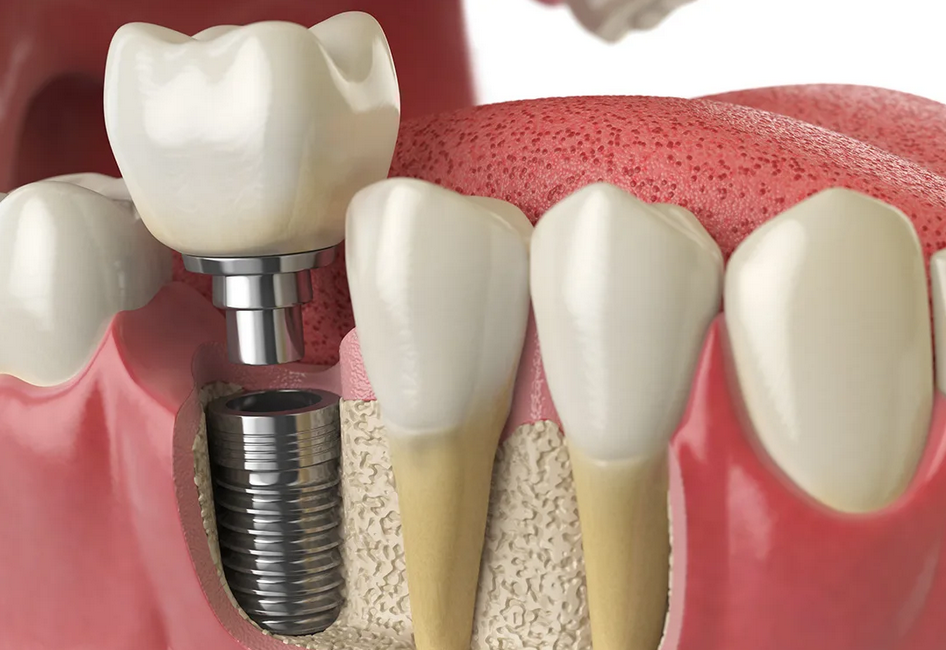
Affordable Implants Without Cutting Corners

The good news is that quality and affordability can genuinely coexist when it comes to dental implants. For patients exploring cheap and affordable dental implants Pittsburgh PA, there are more budget-friendly pathways available today than ever before. Knowing where to look and what to ask makes all the difference.

Understanding What Drives Implant Costs

To start, it helps to understand what actually determines the price of a dental implant. The total cost typically includes the implant post, the abutment, and the final crown, along with any preparatory work such as extractions or bone grafting. Each component contributes to the overall figure, which is why prices can vary so widely from one practice to another. Transparency around these individual costs is a sign of a trustworthy provider.

Payment Plans Make Implants More Accessible

One of the most effective ways dental practices bring implants within reach is through flexible financing and payment plans. Rather than paying the full amount upfront, patients can spread the cost over months or even years through low-interest or interest-free arrangements. Many offices also work with third-party financing providers that offer quick approval processes. This approach transforms a large, intimidating expense into a manageable monthly commitment that fits within a realistic budget.

Dental Schools and Community Clinics Offer Real Savings

Furthermore, accredited dental schools and community health clinics are often overlooked sources of significantly reduced implant costs. Supervised dental students and residents perform procedures at a fraction of private practice rates while maintaining rigorous clinical standards. The trade-off is typically a longer appointment time and a more thorough review process, but the quality of care is consistently reliable. For patients with tight budgets, this option deserves serious consideration.

Insurance and Employer Benefits Are Worth Reviewing

Finally, many patients are surprised to discover that their dental insurance or employer-sponsored benefits cover at least a portion of implant-related costs. While traditional dental plans often classify implants as cosmetic, newer and more comprehensive plans increasingly include implant coverage as a recognized restorative procedure. Reviewing your current plan carefully and asking your provider the right questions could reveal benefits you did not know you had access to.

Conclusion: Affordable Implants Without Cutting Corners

Ultimately, affordable dental implants are within reach for more patients than commonly assumed. By understanding cost structures, exploring financing options, considering dental schools, and reviewing your insurance benefits carefully, you can pursue a permanent, high-quality tooth replacement solution without financial stress. Do not let price assumptions hold you back from a healthier smile. With the right information and the right provider, restoring your smile can be both achievable and genuinely affordable.
The Connection Between Oral Health and Your Overall Wellness

Most people treat dental care as something entirely separate from their general health routine. They see their doctor for one thing and their dentist for another, never considering how deeply the two are connected. But the truth is that what happens in your mouth has a direct and measurable impact on the rest of your body. From your heart to your immune system, oral health influences overall wellness in ways that researchers are only beginning to fully understand. If you have ever wondered whether your dental habits really matter beyond your smile, the answer is a resounding yes. Keep reading to find out why.

Why Your Oral Health Is a Window into Your Overall Health

The mouth is one of the most revealing indicators of what is happening throughout the rest of the body. Patients who prioritize their care with dentists Raleigh NC are not just protecting their teeth. They are taking an active role in safeguarding their long-term health and wellness. Here is what the science and dental professionals want every patient to understand.

Gum Disease Is Linked to Heart Disease

First and foremost, the connection between gum disease and cardiovascular health is one of the most well-established findings in modern dental research. Studies have consistently shown that people with untreated periodontal disease face a significantly higher risk of developing heart disease, clogged arteries, and stroke. The bacteria responsible for gum infections can enter the bloodstream and trigger inflammatory responses that damage blood vessels and contribute to arterial plaque buildup over time. Additionally, research suggests that treating gum disease can lead to measurable improvements in cardiovascular health markers. Taking care of your gums is quite literally taking care of your heart.

Oral Health Directly Affects Diabetes Management

Furthermore, the relationship between oral health and diabetes runs deeper than most people realize and works in both directions. People with diabetes are significantly more susceptible to gum disease because elevated blood sugar levels create an environment where harmful oral bacteria thrive. At the same time, untreated gum disease makes blood sugar levels harder to control, creating a frustrating cycle that worsens both conditions simultaneously. Additionally, dental professionals are often among the first to notice signs of undiagnosed diabetes during routine oral examinations. Managing your oral health is an essential and often overlooked component of effective diabetes care.

Your Mouth Can Reveal Nutritional Deficiencies

Another fascinating aspect of the mouth and body connection is how clearly nutritional deficiencies manifest in oral tissues. Bleeding gums, a pale tongue, mouth sores, and enamel erosion can all be signs that your body is lacking essential vitamins and minerals like vitamin C, iron, calcium, or B vitamins. Additionally, a dentist who sees you regularly is well positioned to notice these changes over time and flag potential nutritional concerns before they develop into more serious health issues. Your mouth essentially keeps a running record of what your body is and is not getting from your diet on a daily basis.

Conclusion: Why Your Oral Health Is a Window into Your Overall Health

To sum it all up, your oral health and your overall health are far more intertwined than most people ever realize. From heart disease and diabetes to nutritional deficiencies and stress, what happens in your mouth reflects and influences what happens throughout your entire body. Do not treat dental care as an afterthought or a separate concern from your general wellness. Schedule regular visits with a trusted dental professional today and take a whole-body approach to staying healthy for the long term.